大河内研究室では、2024年1月1日に発生した能登半島地震で被災した石川県輪島市黒島地区において、歴史的なまちなみの復旧と今後の地域活性化を目的とする「黒島プロジェクト」に2026年度より参画しています。
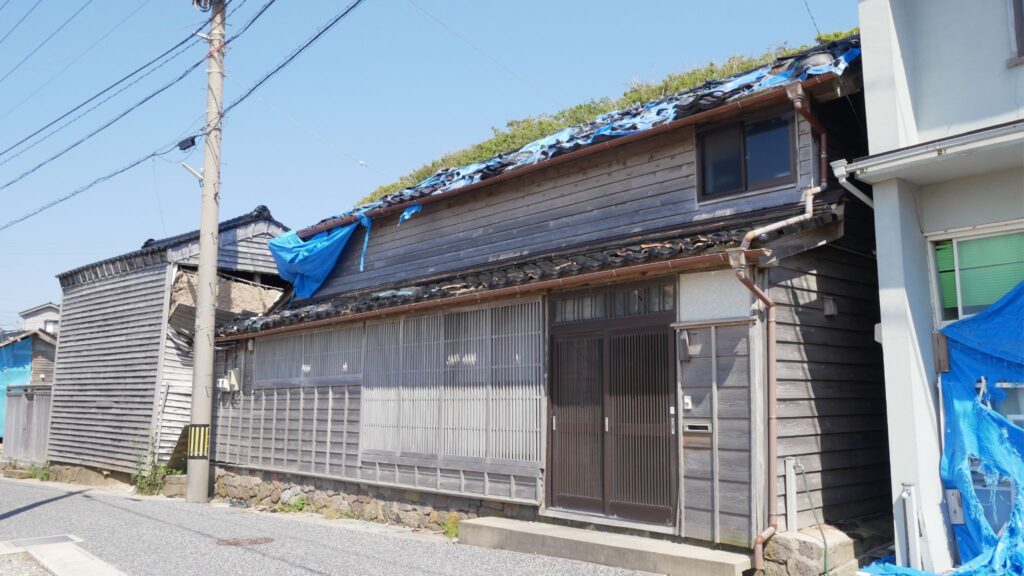
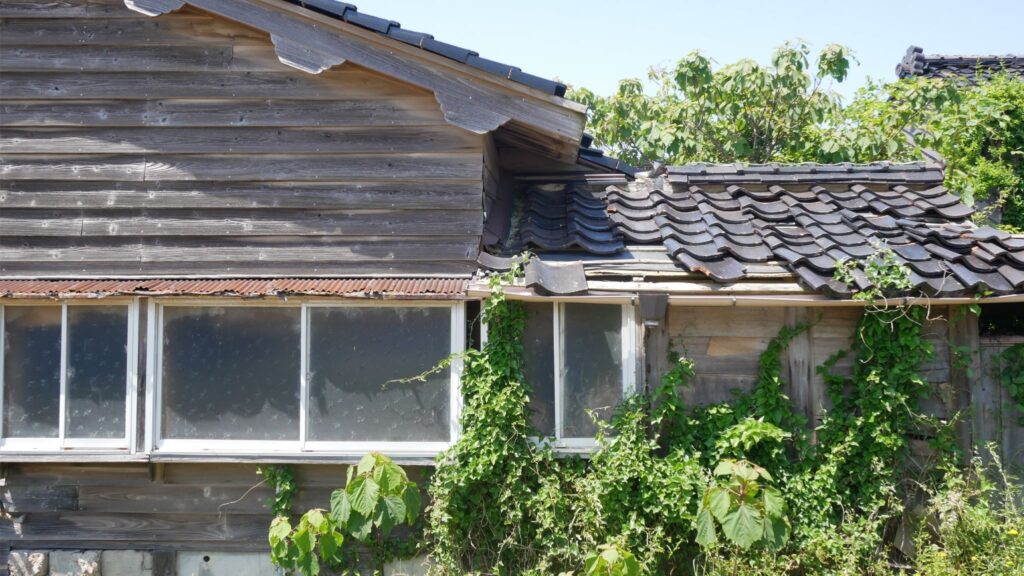
黒島地区は、歴史的な町家や伝統的な街路景観がまとまって残る重要伝統的建造物群保存地区です。地震によって多くの建物が被害を受けたことから、本プロジェクトでは、被災状況の記録、建築の実測、復旧・改修の検討を通して、地域の歴史的環境を継承しながら新たな利用の可能性を探ることを目的としています。
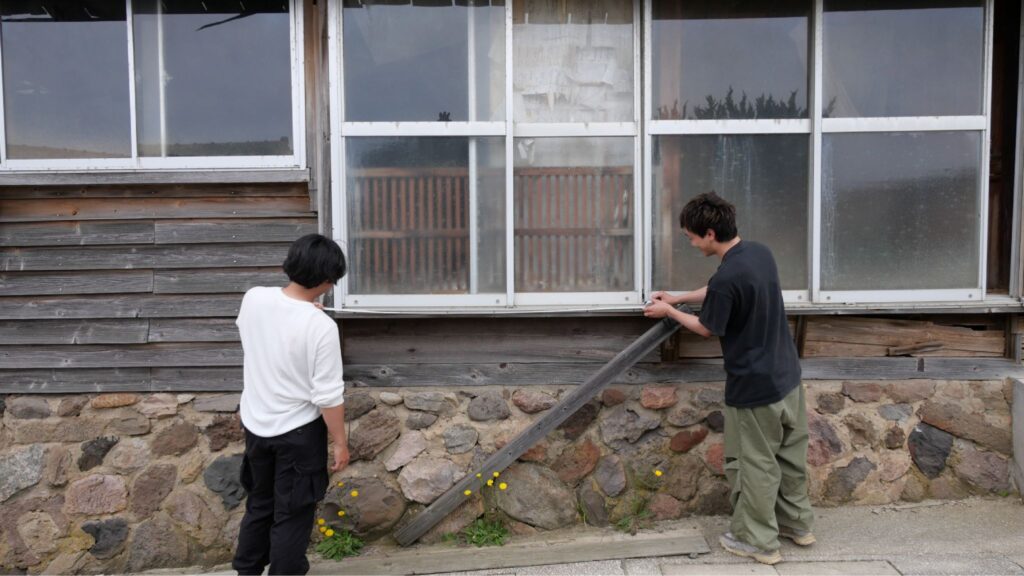
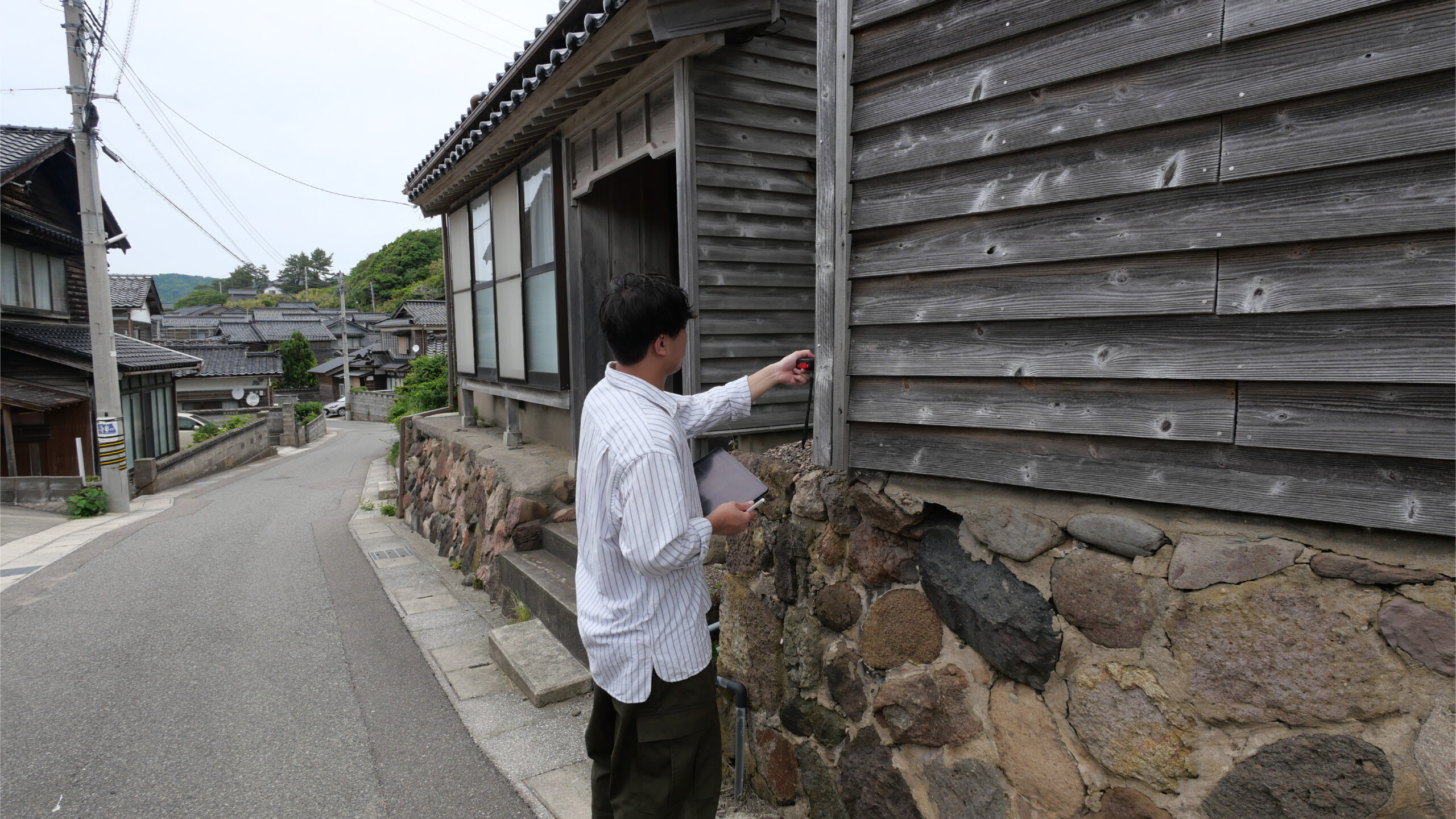
2026年5月19日から20日にかけて現地調査を実施し、地域住民や他大学の研究者・学生と協働しながら、被災建物の状況確認と実測調査を行いました。今回の対象はA・B・C・Dの4棟で、大河内研究室はそのうちC棟の調査を担当しました。建物の平面・立面・断面構成や各部寸法、構造・材料、被害状況等を記録し、今後の復旧・改修計画の基礎資料となる図面の作成を進めています。
今後は、実測成果をもとに必要な補強・改修方法を検討するとともに、被災建物を、学生や研究者が現地調査・復旧記録を行う際の宿泊施設、打合せスペース、地域の情報発信拠点等として活用するためのリノベーション計画へと展開していく予定です。
本プロジェクトを通じて、歴史的建築の復旧にとどまらず、地域に蓄積された空間・構法・生活文化を読み解き、それらを将来の地域活動へと接続する建築的な方法を探求していきます。
2026 Kuroshima Project | Kuroshima District, Wajima, Ishikawa
Since 2026, the Okochi Laboratory has participated in the Kuroshima Project, an initiative aimed at supporting the recovery and future revitalization of the historic townscape of Kuroshima in Wajima, Ishikawa, which was severely affected by the Noto Peninsula Earthquake of January 1, 2024.
Kuroshima is designated as an Important Preservation District for Groups of Traditional Buildings, retaining a concentration of historic townhouses and traditional streetscapes. Following the earthquake, many buildings sustained significant damage. The project therefore seeks to document the extent of the damage, carry out measured surveys of affected buildings, and explore appropriate strategies for repair, renovation, and future use while preserving the district’s historic character.
A field survey was conducted from May 19 to 20, 2026, in collaboration with local residents and researchers and students from other universities. Four damaged houses, designated A, B, C, and D, were selected for detailed investigation, with the Okochi Laboratory responsible for House C. The survey recorded the building’s plans, elevations, sections, dimensions, structural system, materials, and patterns of damage. These records are now being developed into architectural drawings that will serve as a basis for future repair and renovation planning.
Building on the survey results, the project will examine appropriate methods of structural reinforcement and renovation. The longer-term aim is to adapt the damaged houses for new uses, including accommodation for students and researchers engaged in fieldwork and recovery documentation, meeting and collaborative work spaces, and a base for communicating information about the district and the reconstruction process.
Through this project, we aim not only to support the physical recovery of historic buildings, but also to understand the spatial organization, construction traditions, and ways of life embedded in Kuroshima, and to explore architectural strategies for connecting these inherited values to the future activities of the community.