大河内研究室では、伝統的木造建築と都市空間の構成原理を明らかにすることを目的として、ヨーロッパ各地で継続的なフィールドワークを行っています。
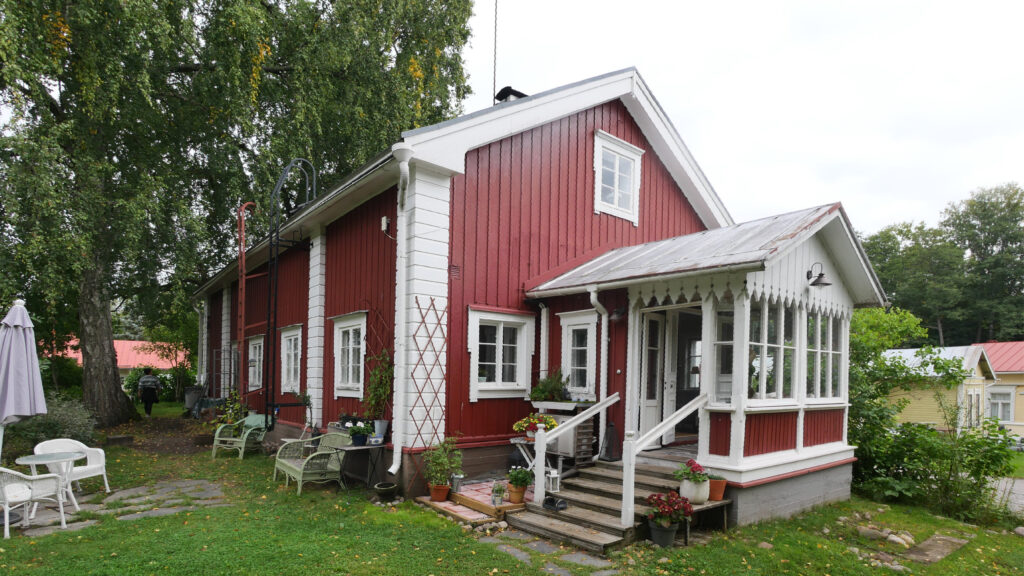
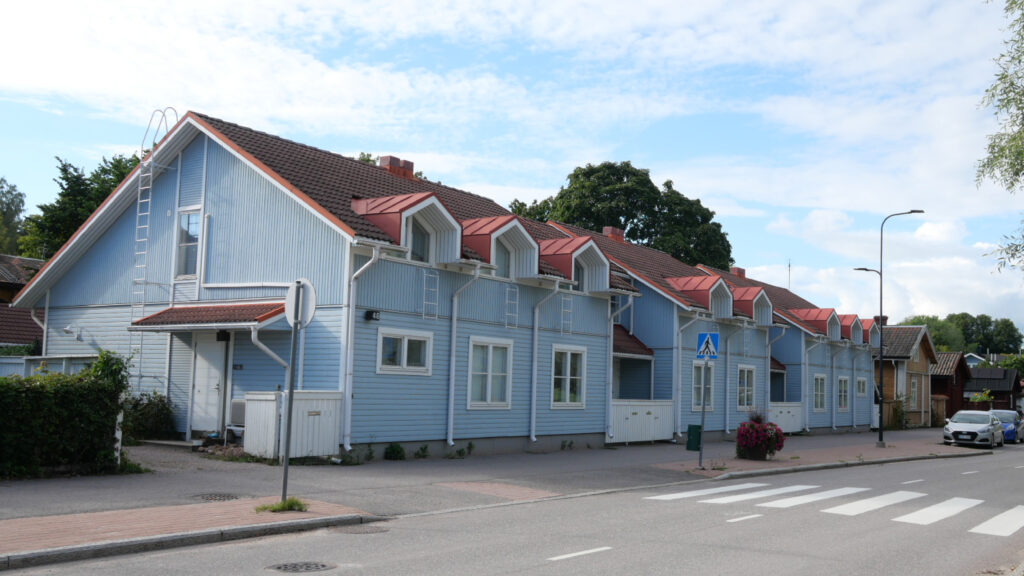
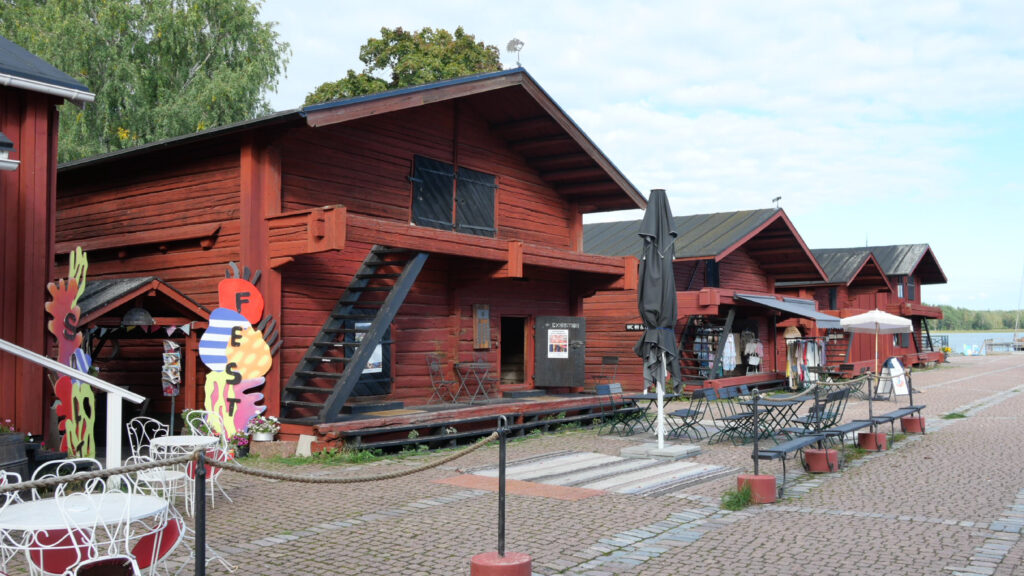
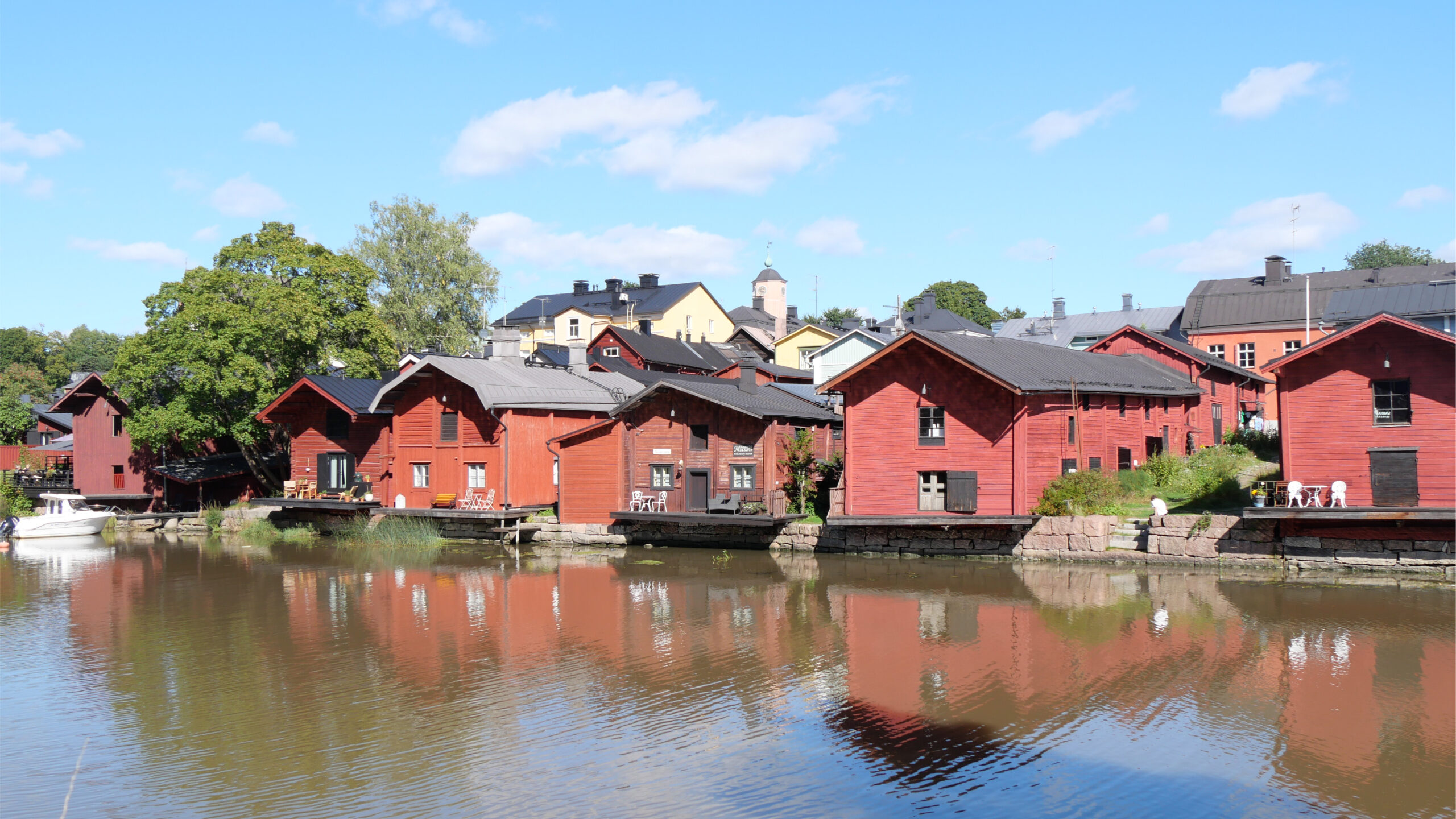
2026年8月23日から9月6日にかけて、フィンランドの伝統的木造都市・住居を対象とした現地調査を実施しました。ヘルシンキからフィンランド南部〜西部沿岸に位置する、ウーシカウプンキ、タンミサーリ、ポルボーなど6都市を巡り、歴史的な市街地に残る木造建築群を調査しました。
主な対象は、17世紀から19世紀にかけて形成されたボスニア湾~フィンランド湾沿岸の木造市街地です。都市・街区・建築という複数のスケールに着目し、街区構成や敷地内の建物配置を記録するとともに、住居の平面・立面の実測、構造・構法・材料等の調査を行いました。
本調査は、北欧の伝統的木造都市において、個々の住居の空間構成と、それらが集合することで形成される街区・都市空間との関係を読み解くことを目的としています。また、ポルボーでの調査活動は地方紙『UUSIMAA』にも取り上げられ、現地の住民や関係者との交流を通じて、地域に継承されてきた木造建築と都市のあり方について理解を深める機会となりました。
2026 Field Survey of Traditional Wooden Towns and Houses in the Nordic Countries | Finland
The Okochi Laboratory conducts ongoing fieldwork across Europe to investigate the principles underlying traditional wooden architecture and the spatial structure of historic towns.
From August 23 to September 6, 2026, we conducted a field survey of traditional wooden towns and houses in Finland. Traveling from Helsinki along the southern and western coasts of Finland, the survey covered six cities and towns, including Uusikaupunki, Tammisaari, and Porvoo, focusing on historic wooden buildings and urban environments.
The main subjects were the historic wooden districts along the coasts of the Gulf of Bosnia and the Gulf of Finland , developed between the seventeenth and nineteenth centuries, and the traditional urban houses constructed primarily with log-building techniques. Working across multiple scales—from the city and urban block to the individual building—we documented urban block patterns and building arrangements within individual plots, and carried out measured surveys of plans and elevations as well as investigations into structural systems, construction methods, and materials.
Through this research, we seek to understand the relationship between the spatial organization of individual houses and the urban blocks and townscapes formed by their aggregation in traditional Nordic wooden towns. Our fieldwork in Porvoo was also featured in the local newspaper UUSIMAA, providing an opportunity to engage with local residents and specialists and to deepen our understanding of the wooden architecture and urban environments that have been sustained across generations.